Rapid-Cure Pedestrian Walkway Marking in a Live Distribution Warehouse
- Internal Line Marking
- Manufacturing and Industrial

Maintaining Airfield Operations Through Weather Disruption
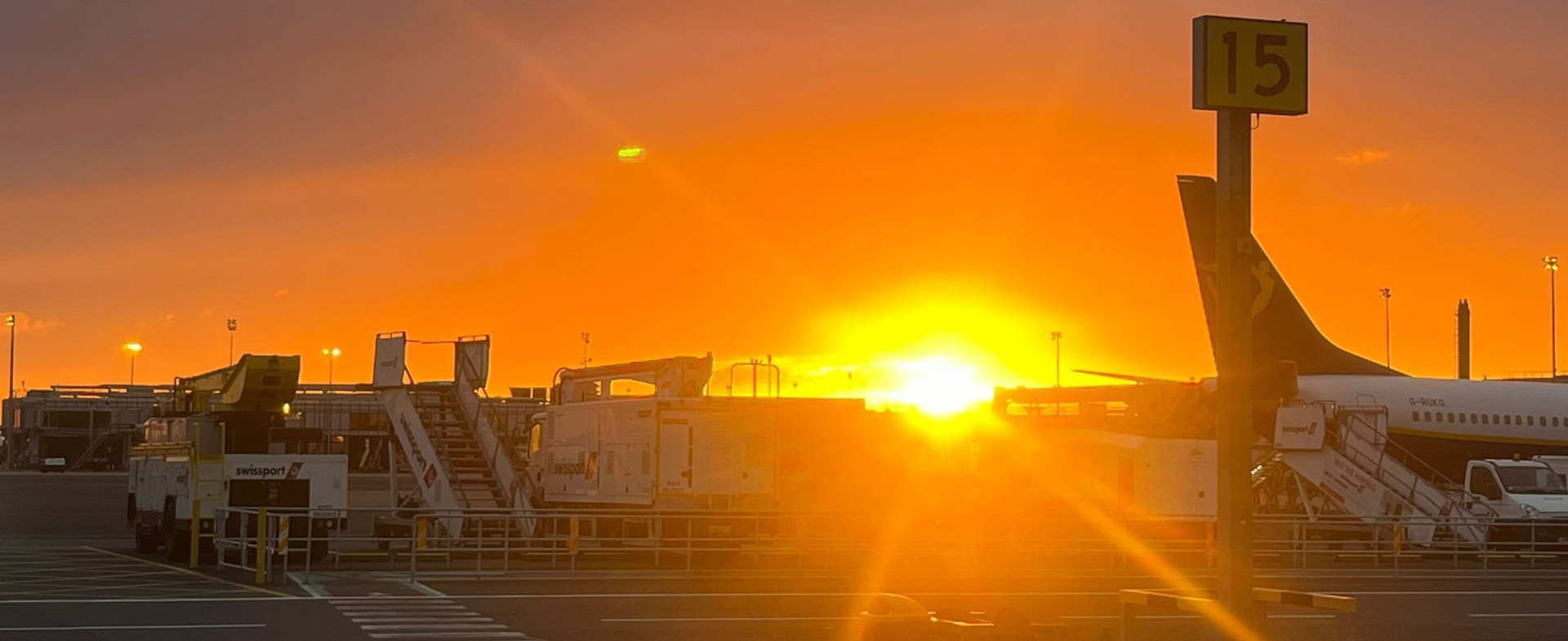
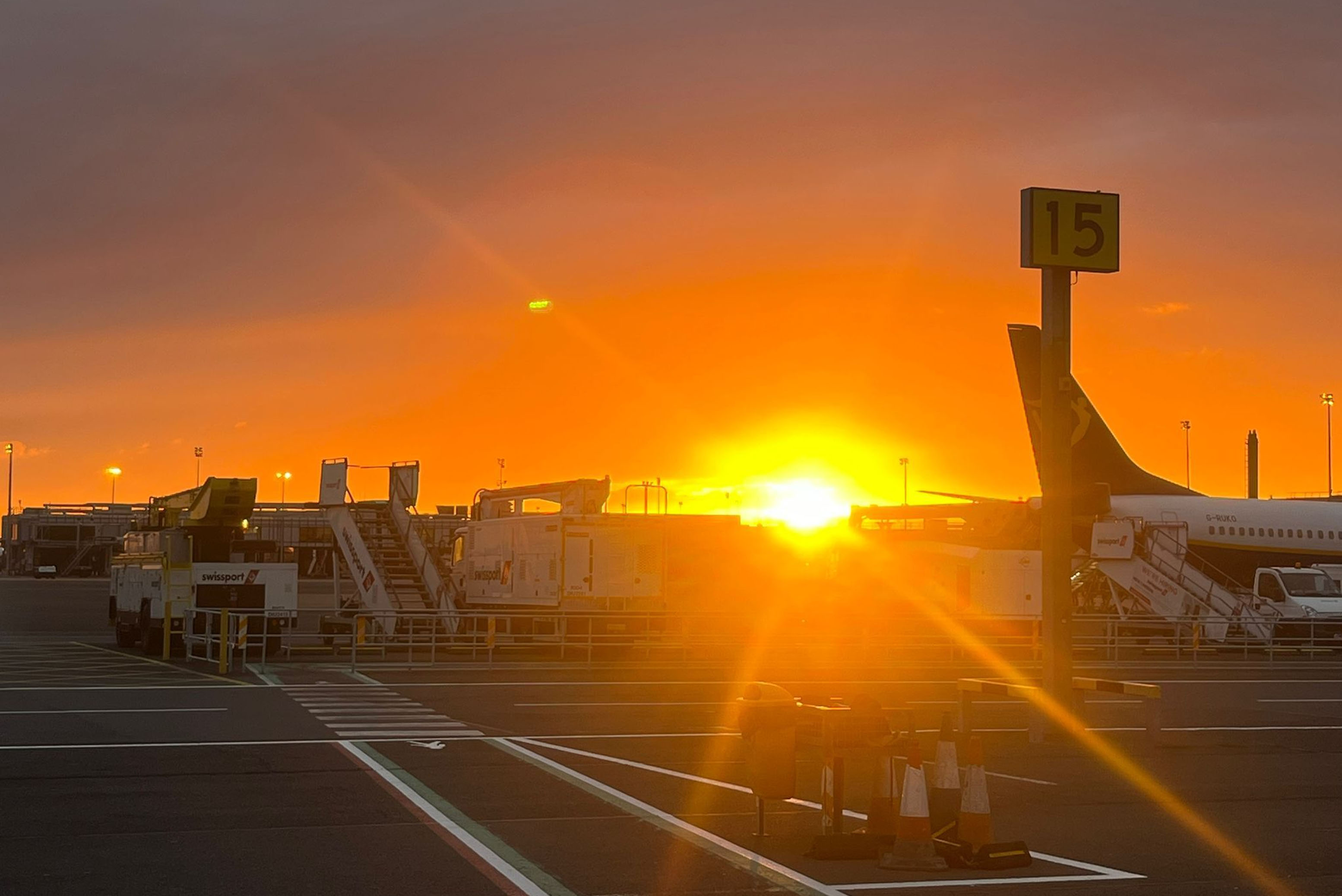
Jointline recently undertook a complex airfield marking project delivered in a live operational environment under intermittent and unpredictable weather conditions. The scheme required a responsive and adaptable approach to ensure both safety and quality were upheld despite the challenges posed by heavy rainfall. Through careful planning and flexible deployment, the works were completed with minimal disruption to airside operations, showcasing Jointline’s capacity to maintain performance in all weather conditions.
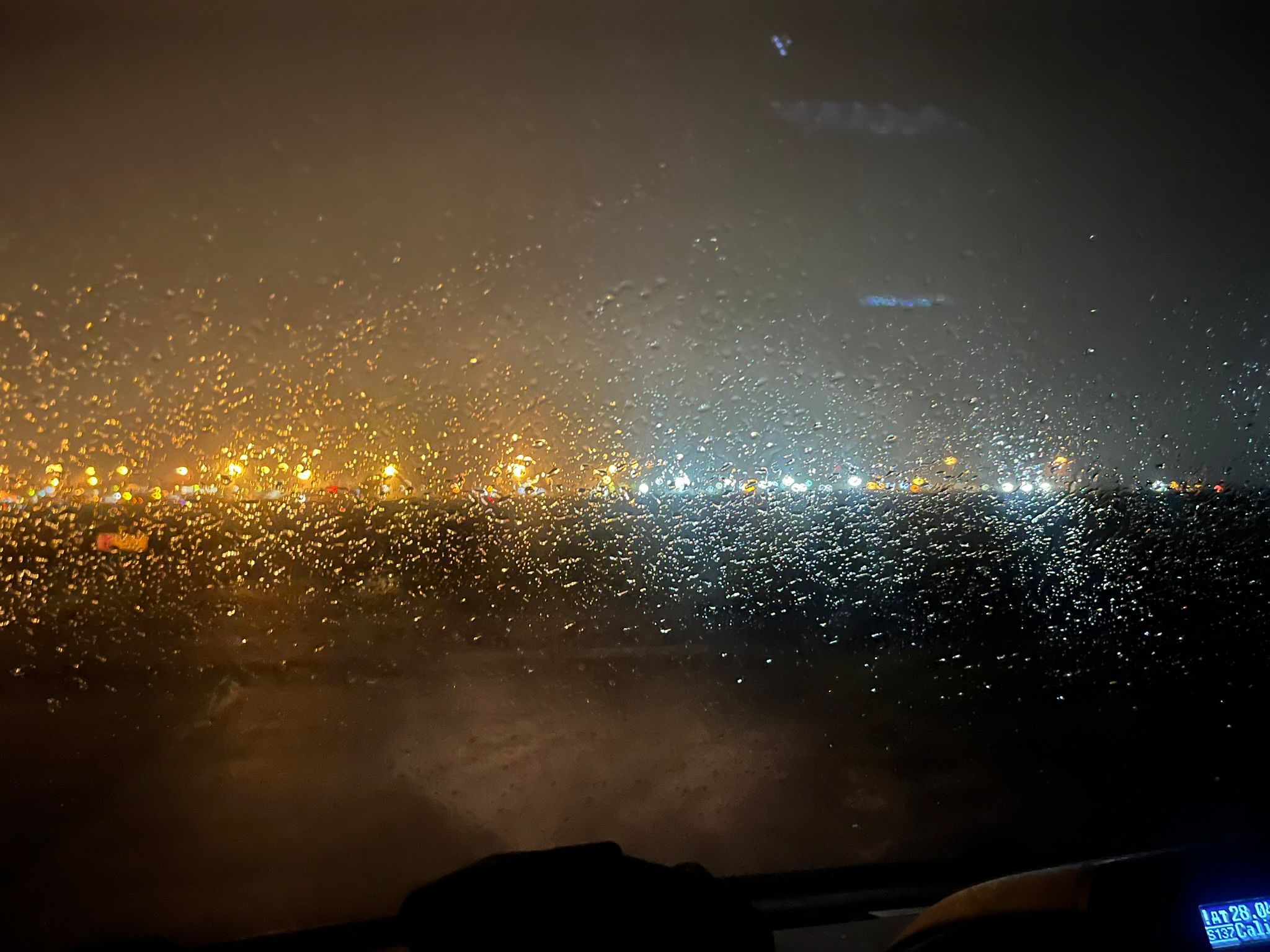
The project site remained fully operational throughout, requiring Jointline to work around ongoing aircraft movements, strict access controls, and critical safety protocols. The greatest challenge was the persistent threat of heavy rainfall, which not only delayed surface drying but also posed safety and material adherence risks. Any interruption to airport operations could have serious knock-on effects, so the team needed to be fully prepared to mobilise, pause, or adapt their work in response to both meteorological conditions and operational priorities.
Further complications included the tight programme constraints, which necessitated efficient execution within narrow work windows. The team was also required to maintain continuous communication with airfield control and adhere to Civil Aviation Authority (CAA) and International Civil Aviation Organization (ICAO) standards for all line marking specifications.
To address the environmental and operational variables, Jointline developed a flexible delivery strategy. The team adopted a shift-based model that allowed crews to work at short notice during suitable weather windows. Constant monitoring of localised forecasts enabled accurate planning for surface preparation and material application, ensuring that works only commenced when conditions allowed for safe, high-quality results.
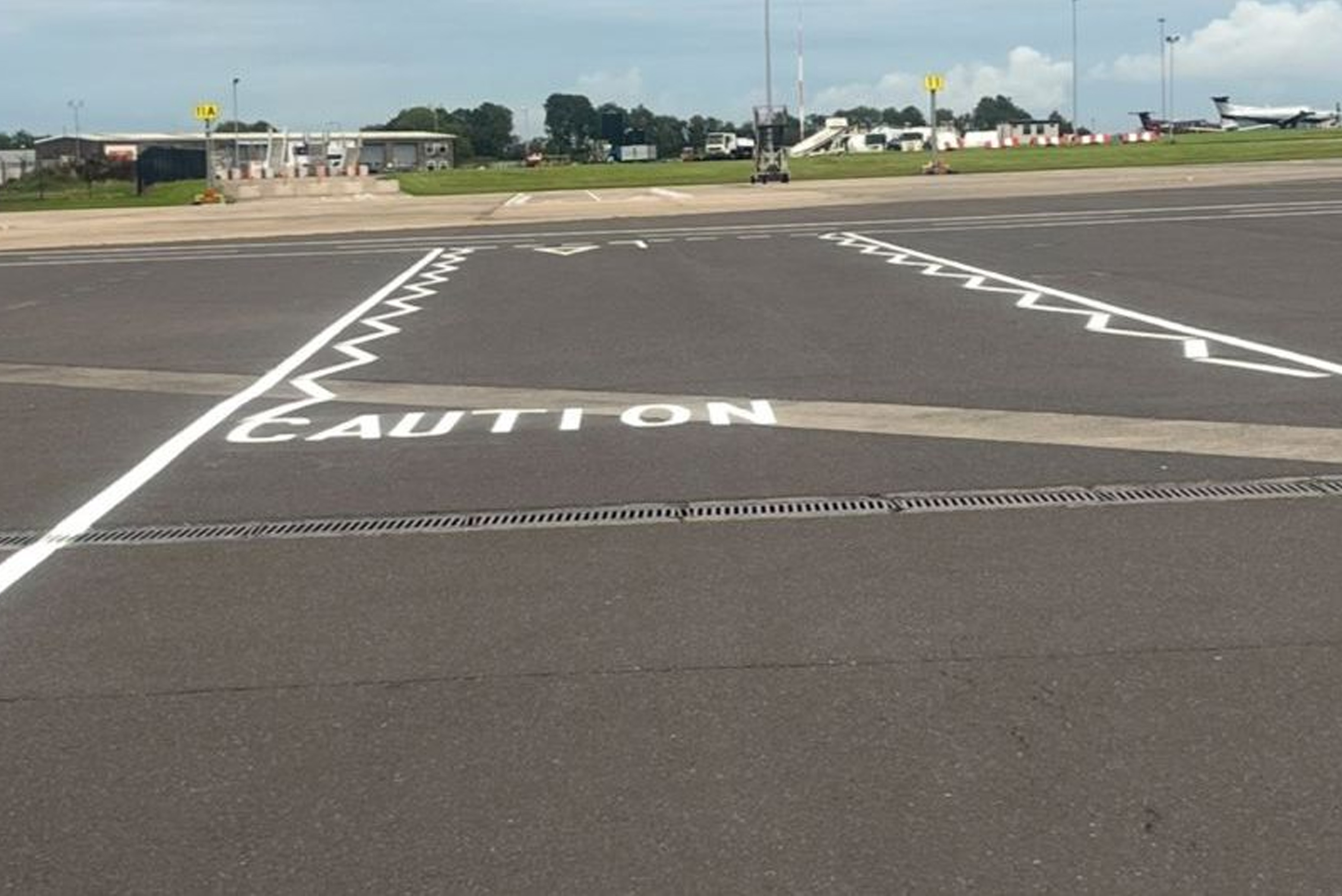
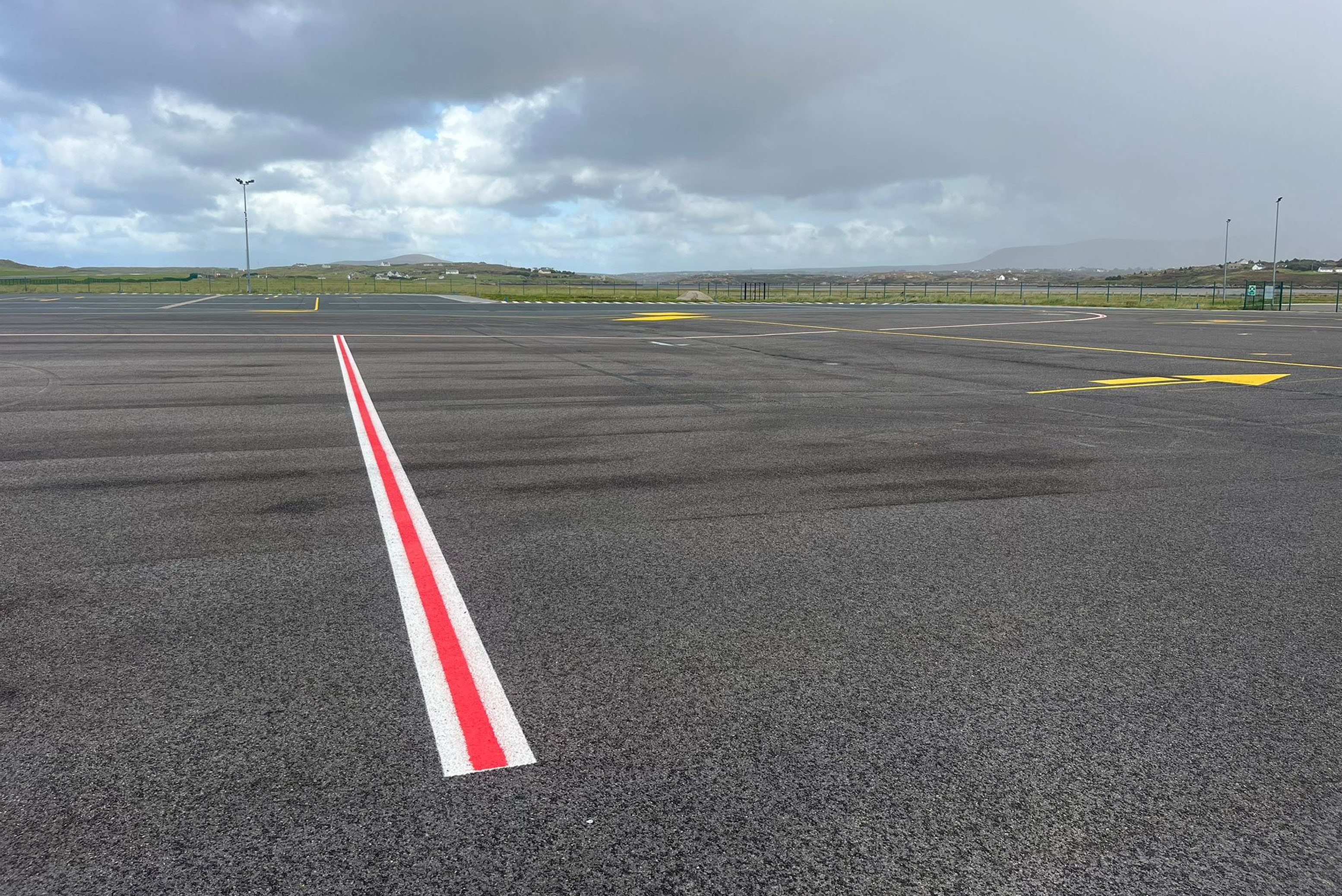
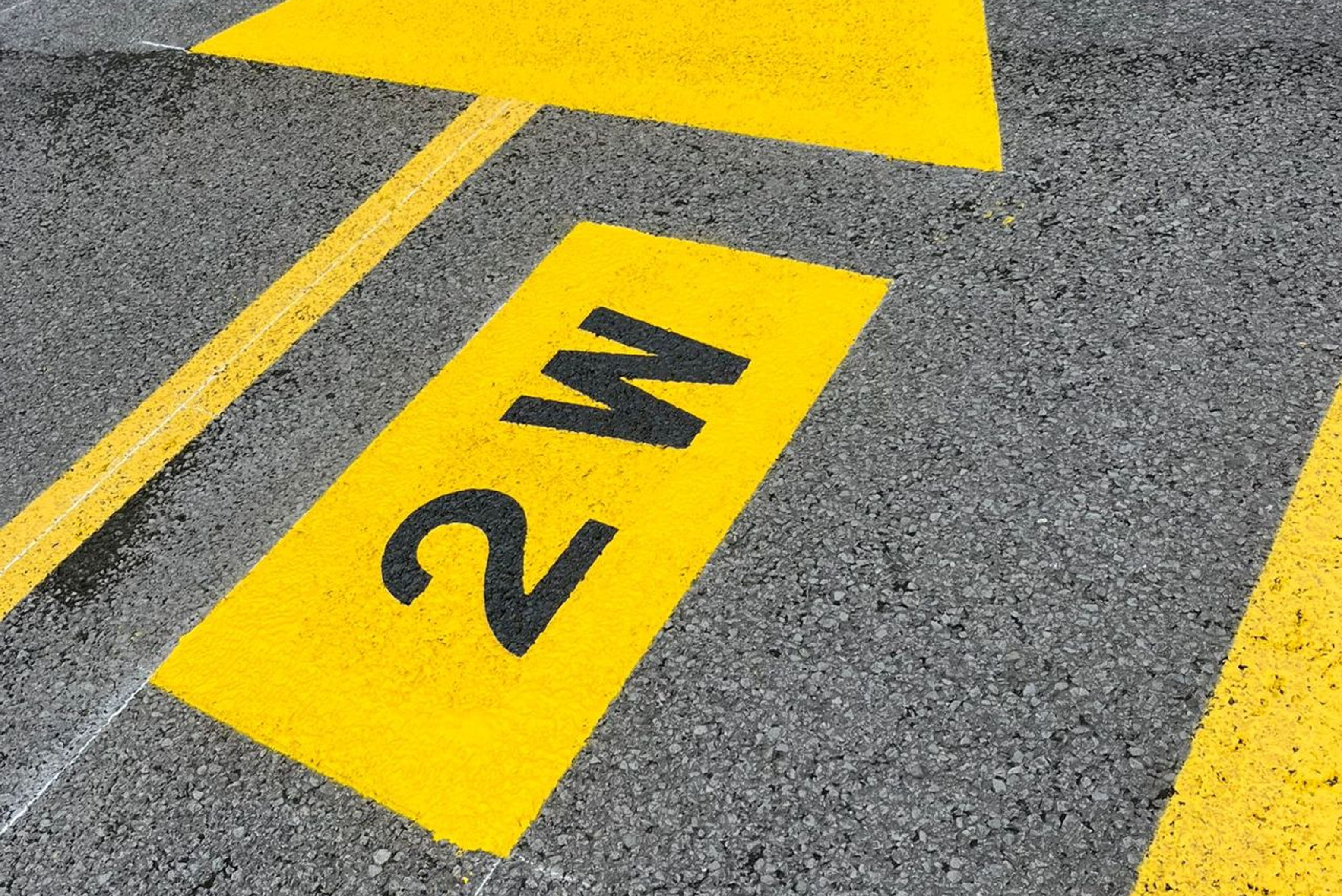
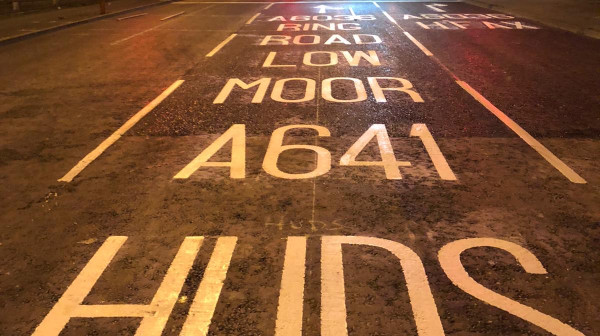
All line markings were applied using aviation-grade thermoplastic and paint systems chosen for their rapid curing properties and high durability in wet and variable climates. The team utilised advanced application equipment capable of high precision under time-sensitive conditions, allowing for efficient coverage and consistent line definition.
Close coordination with airfield stakeholders ensured all works were sequenced to align with air traffic schedules, stand availability, and access permissions. Method statements and risk assessments were dynamically updated to reflect real-time conditions and ensure ongoing compliance with safety regulations.
The project was delivered on time and to specification despite persistent adverse weather conditions. Jointline’s flexible shift-based model allowed for efficient use of operational windows, reducing the risk of delays and minimising downtime. The agile approach ensured there was no significant disruption to airside operations, preserving the integrity of aircraft scheduling and airport logistics.
The completed airfield markings provide improved visibility, durability, and compliance with CAA and ICAO standards, enhancing safety for both pilots and ground personnel. The use of aviation-grade materials ensures performance longevity, even under continued exposure to wet and variable weather. This project demonstrates Jointline’s capacity to deliver resilient, high-quality results in complex live environments, maintaining both safety and operational continuity in all conditions.