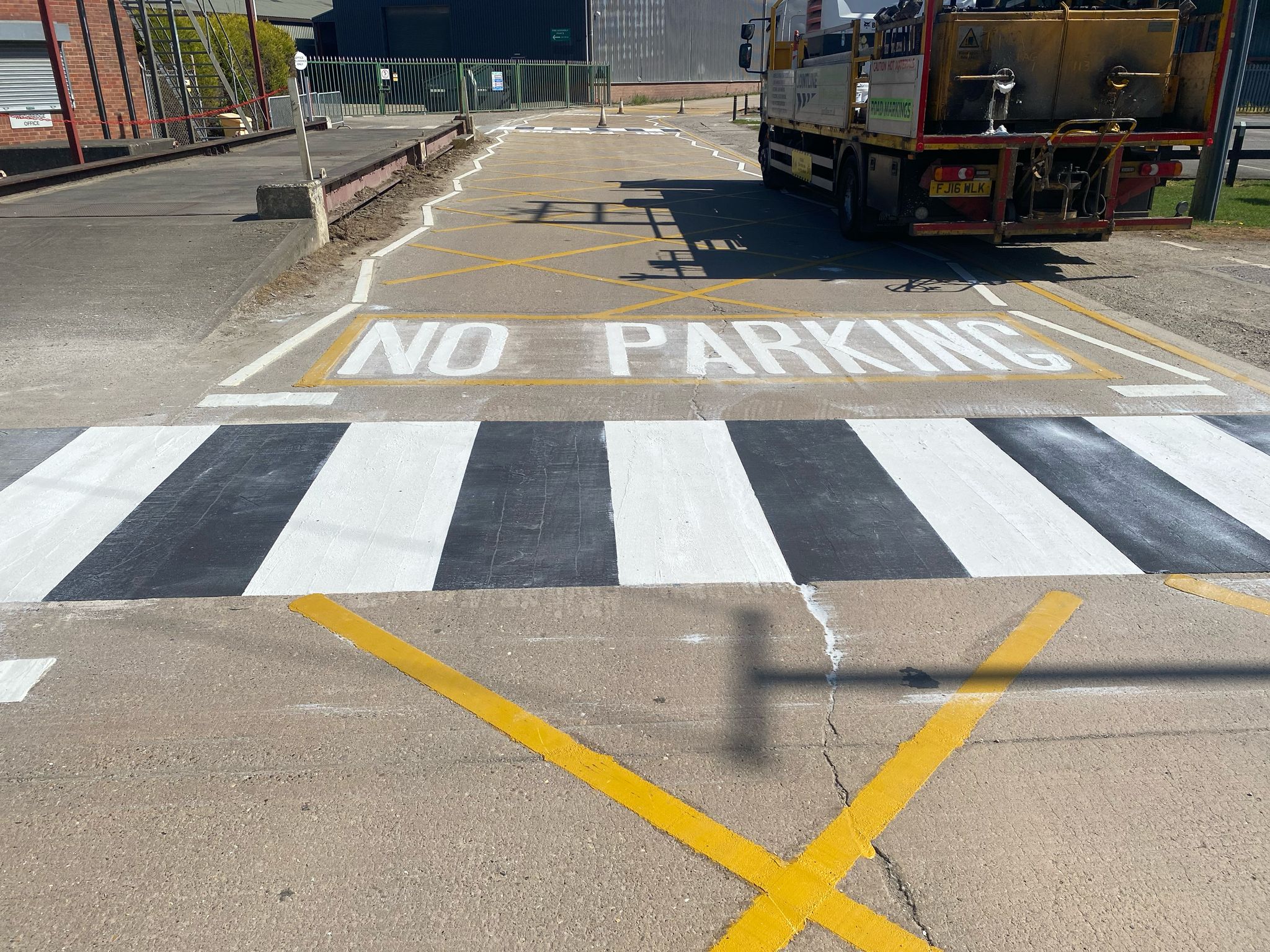
Car Park Line Marking for Mahr Surgical, Bradford
- Line Marking - Thermoplastic
- Car Parks

Why Line Marking Services Matter:
Enhancing Safety, Visibility and Compliance on UK Roads
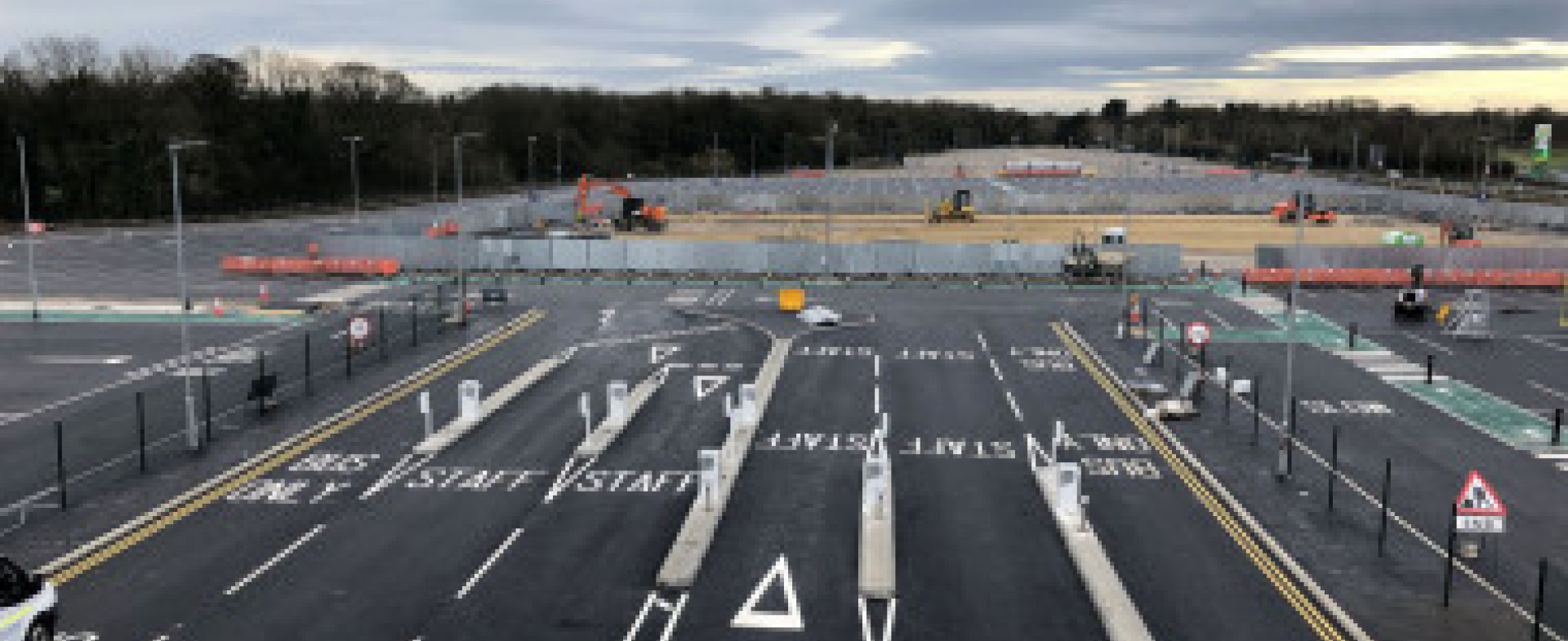
Line marking is a fundamental component of safe and efficient transport infrastructure. Across highways, car parks, retail parks and public realm environments, clear and durable road markings provide essential visual guidance for road users, helping to regulate movement, reduce conflict and maintain compliance with UK standards. When designed and installed correctly, line markings play a critical role in accident reduction, traffic efficiency and asset performance.
From high-speed strategic road networks to local authority streets and commercial developments, line markings support consistent lane discipline, define priorities, and communicate critical information quickly and intuitively. Their importance is often most evident at complex locations such as junctions, roundabouts, slip roads and shared-use areas, where clarity directly influences safety outcomes.
On highways and motorways, line markings guide road users through lane alignment, merges, and changes in road layout, particularly at speed. Centre lines, edge lines, hazard markings and directional arrows provide structure and predictability, enabling safer decision-making and smoother traffic flow.
In car parks and retail parks, markings serve a broader but equally vital purpose. They define parking bays, pedestrian routes, loading areas, disabled and parent-and-child spaces, and electric vehicle bays. Clear demarcation improves circulation, reduces collision risk, and enhances the overall user experience, particularly in high-turnover or peak trading environments.
Across all settings, compliant line marking is essential for meeting the requirements of the Traffic Signs Regulations and General Directions (TSRGD), local authority standards, and site-specific safety policies. Poorly defined or worn markings increase risk, undermine enforcement, and expose asset owners to avoidable liability.
Modern line marking systems are designed to perform under demanding conditions. Durable materials such as thermoplastic and pre-formed markings provide long service life, even under heavy traffic loading and variable UK weather. These systems resist wear, deformation and fading, reducing the frequency of reapplication and lowering whole-life maintenance costs.
Reflective and high-contrast systems further enhance performance, particularly in low-light, night-time or wet conditions. Improved visibility supports safer driving behaviour, shortens reaction times, and contributes to reduced collision rates. For road operators and site owners, this delivers measurable safety benefits while supporting long-term compliance.
Efficiency is a key consideration for any line marking programme. Fast-setting materials and advanced application techniques allow works to be completed quickly, often reopening routes or sites within minutes of installation. This is especially valuable on busy highways, urban roads and commercial premises where closures must be tightly managed.
Well-planned traffic management and experienced site teams are critical to safe delivery. Effective sequencing, clear communication, and compliance with Chapter 8 requirements ensure that both the workforce and road users remain protected throughout the works, while disruption to the network is kept to an absolute minimum.
As road usage continues to grow and safety expectations increase, line marking is increasingly delivered as part of an integrated maintenance strategy. Combining marking works with joint sealing, surface treatments, hydroblasting, and targeted surfacing repairs allows asset owners to optimise performance and extend pavement life.
Correct material selection and surface preparation are essential to achieving this outcome. Factors such as substrate type, traffic volume, contamination levels and environmental exposure must be carefully assessed to avoid premature wear or loss of reflectivity. Skilled execution ensures that markings bond effectively and perform as intended over their full design life.
Sustainability is now a central consideration in highways and public realm works. Durable line marking systems reduce material consumption, repeat visits and associated carbon emissions over time. Efficient delivery methods also limit congestion and vehicle idling, contributing to reduced environmental impact during installation.
Clear, legible markings deliver wider social value by improving safety and accessibility for all road users, including pedestrians, cyclists and vulnerable users. In car parks and retail environments, they support inclusive design, safer pedestrian movement, and better overall site management.
Jointline delivers expert line marking services across highways, motorways, car parks, retail parks and public roads throughout the UK. With over 30 years of industry experience, its teams provide tailored solutions aligned with site-specific requirements, traffic conditions and regulatory standards.
By combining technical expertise, durable materials and efficient delivery, Jointline helps clients achieve safer layouts, reduced disruption and long-term value from their infrastructure assets. Whether supporting strategic road networks or high-profile commercial developments, Jointline’s approach ensures clarity, compliance and performance where it matters most.