Deep in the Forest
- Civil Engineering and Infrastructure Maintenance Services
- Contractors

Why Block Paving Services Matter:
Enhancing Durability and Aesthetics in Modern Infrastructure

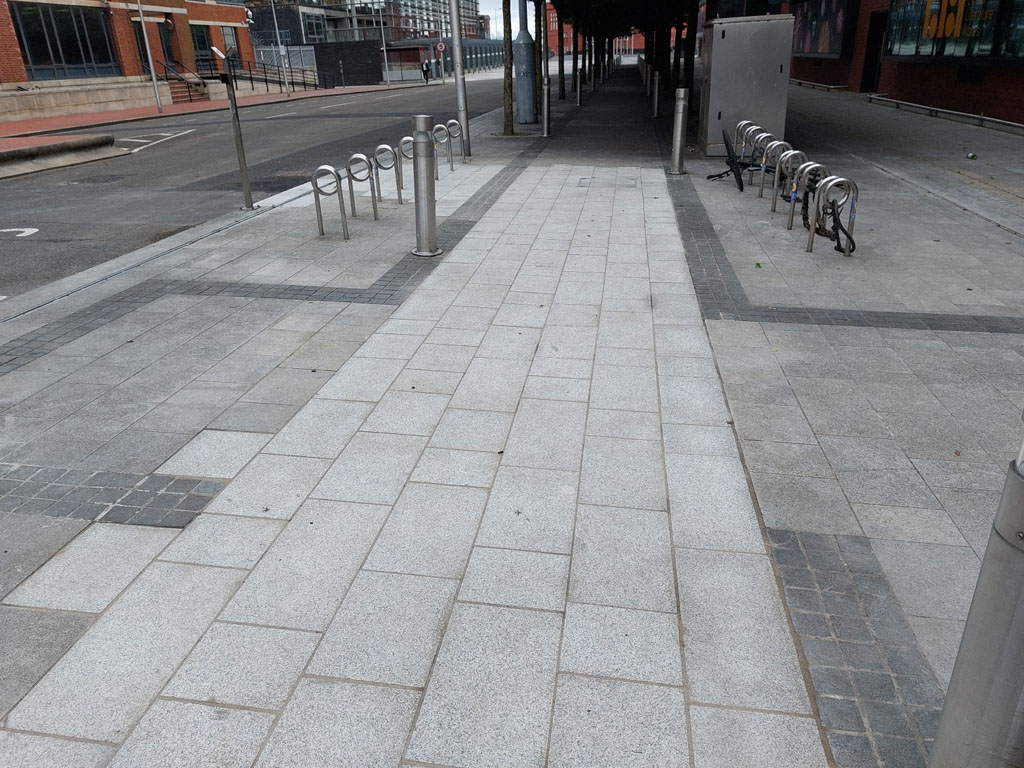
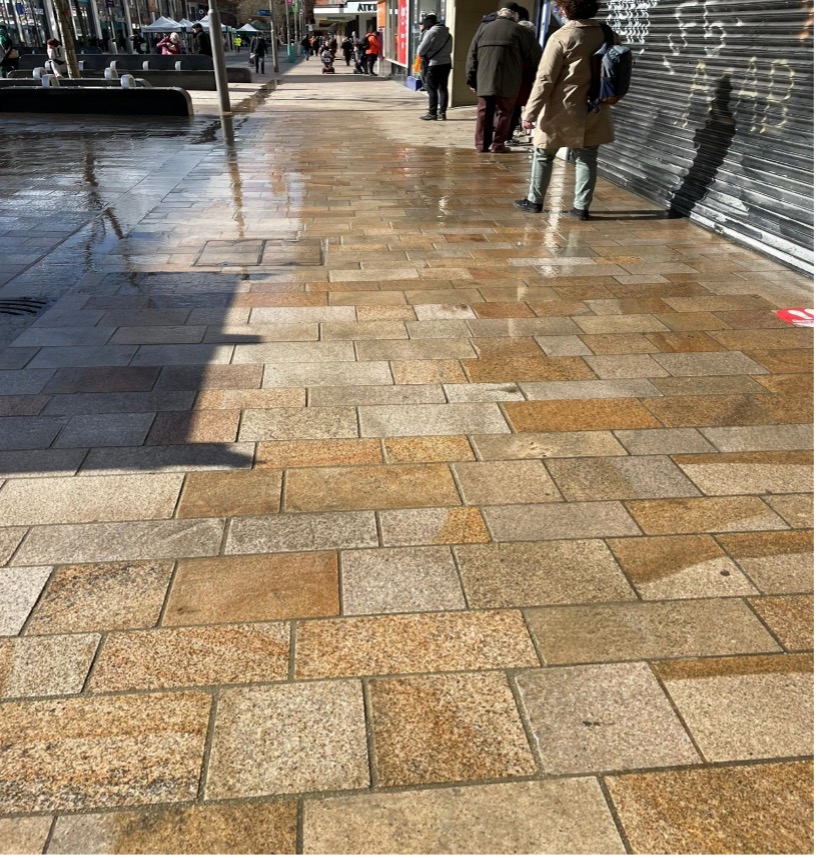
Block paving services form a vital part of civil engineering and urban development projects. They offer a robust and visually appealing solution for surfaces such as car parks, pedestrian walkways, access roads, and public spaces. Unlike simple asphalt or concrete surfacing, block paving provides a balance of strength, sustainability, and design versatility. For local authorities, developers, and facility managers, investing in high-quality block paving ensures both functional resilience and a professional finish.
The Importance of Block Paving
Block paving has long been recognised for its combination of strength and adaptability. Each individual unit is manufactured to precise tolerances, allowing for consistent load distribution and resistance to wear. When properly installed, the interlocking design resists movement, reducing the likelihood of cracks or surface deterioration. This makes it particularly effective in high-traffic environments where conventional surfacing may fail over time.
Another critical advantage is maintainability. Damaged or stained blocks can be replaced individually without the need for extensive resurfacing. This reduces long-term maintenance costs and minimises disruption for road users or pedestrians. In addition, modern manufacturing processes allow block paving to incorporate recycled materials, aligning with sustainability objectives and reducing environmental impact.
Applications Across Infrastructure
Block paving is widely applied across multiple environments:
Key Benefits and Industry Insights
The benefits extend beyond appearance:
Industry insight highlights a trend towards permeable block paving solutions, particularly as planning requirements increasingly demand sustainable urban drainage systems (SuDS). Block paving is evolving into a multifunctional product, delivering both resilience and compliance with environmental standards.
Challenges Block Paving Addresses
Infrastructure managers often face challenges such as surface cracking, ponding water, and aesthetic decline in high-use areas. Block paving directly addresses these issues through its modular, interlocking design and drainage capabilities. It also mitigates the risks of uneven settlement, providing a safer surface for pedestrians and vehicles alike.
The shift towards low-carbon construction further underscores the relevance of block paving. Manufacturers now prioritise energy-efficient production and the inclusion of recycled content, ensuring block paving remains aligned with broader sustainability goals.
Block paving services are a cornerstone of modern infrastructure delivery. They combine longevity, adaptability, and visual impact, making them suitable for both large-scale civil engineering schemes and smaller, community-based projects. With proven performance in commercial, industrial, and public spaces, block paving continues to set the standard for durable and versatile surfacing. Jointline’s expertise in delivering precise, high-quality installations ensures these benefits are realised in practice, backed by decades of experience across diverse environments.